
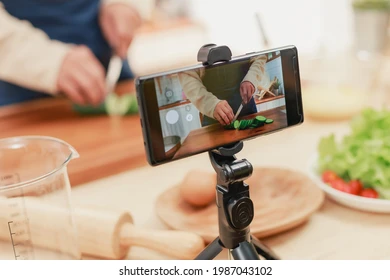
In today’s digital era, photography has evolved far beyond heavy cameras and complicated equipment. The rise of smartphones has brought with it a new creative wave, allowing anyone with a mobile device to become a storyteller through images 手機攝影教學. As the technology in smartphones continues to advance, mobile photography teaching has become an essential subject for those who wish to sharpen their skills and learn to capture breathtaking visuals with simplicity and accessibility.
Mobile photography is more than just pressing a button on your phone. It is about understanding light, angles, perspectives, and emotions, all while using a device that fits in the palm of your hand. Mobile photography teaching bridges the gap between casual snapping and professional artistry, offering techniques, principles, and inspiration to turn ordinary shots into extraordinary works of visual expression.
Why Mobile Photography Teaching Matters
The world communicates visually more than ever before. From social media platforms to personal projects, powerful images have become the language of storytelling. Unlike in the past, when photography required expensive equipment, mobile devices now provide advanced cameras capable of producing high-quality images. With this accessibility, mobile photography teaching helps individuals learn how to maximize the potential of their smartphones.
It matters because everyone has a story to tell, and through structured guidance, anyone can learn to use their mobile phone as a tool for self-expression, creativity, and even professional growth. Photographers, bloggers, influencers, travelers, and entrepreneurs all benefit from improving their mobile photography skills, making this teaching relevant in nearly every field today.
Fundamentals of Mobile Photography Teaching
Teaching mobile photography often begins with the basics—understanding the smartphone camera itself. While most phones are equipped with high-resolution cameras, it is crucial to understand features such as HDR, portrait mode, night mode, and manual controls. A good teaching approach involves guiding learners to explore these settings and experiment with them in different conditions.
Another essential element is composition. Mobile photography teaching emphasizes rules such as the rule of thirds, leading lines, and framing to create balanced and visually appealing shots. Understanding how to use backgrounds, patterns, and symmetry can turn a simple photo into a professional-looking masterpiece.
Lighting plays an equally important role. A strong teaching framework helps learners appreciate natural light, golden hour photography, and shadow play. The ability to recognize how light changes the mood and quality of a photo is a skill that sets apart casual snapshots from carefully crafted images.
Creative Techniques in Mobile Photography Teaching
Creativity lies at the heart of mobile photography teaching. A great teacher not only imparts technical knowledge but also encourages students to look at the world differently. This involves experimenting with unique angles, reflections, silhouettes, and abstract compositions. Students are taught to move beyond traditional poses and explore storytelling through candid and dynamic captures.
Editing is another important aspect. With countless mobile editing apps available, teaching learners how to enhance their photos without over-processing is essential. Apps like Snapseed, Lightroom Mobile, and VSCO offer powerful tools for adjusting exposure, contrast, saturation, and sharpness. Mobile photography teaching often includes guidance on maintaining a natural yet impactful look during editing.
The Role of Practice in Mobile Photography
Like any art form, photography requires consistent practice. Mobile photography teaching stresses the importance of daily or weekly exercises that sharpen observational skills. Simple assignments such as capturing reflections in puddles, shadows on walls, or textures in nature help students develop a keen eye for detail.
Practice also builds confidence. By repeatedly experimenting with different techniques, learners begin to trust their instincts and develop their unique style. Teachers often encourage learners to share their work on platforms where they can receive constructive feedback, helping them grow further.
Mobile Photography in Everyday life
One of the most appealing aspects of mobile photography teaching is its direct relevance to everyday life. Unlike traditional photography, where carrying bulky equipment can be inconvenient, smartphones are always within reach. This means that learning mobile photography empowers individuals to capture spontaneous moments, be it a child’s laughter, a sunset, or an urban street scene.
For travelers, mobile photography is a perfect companion. Teaching emphasizes how to capture landscapes, architecture, and cultural moments effectively, making memories timeless. Similarly, in professional life, entrepreneurs use mobile photography to showcase their products, while influencers use it to create visually compelling content for their audiences.
Inspiring Creativity Through Teaching
At its core, mobile photography teaching is about inspiring creativity and confidence. Teachers help students break free from the mindset that only expensive cameras produce quality results. By learning to harness the potential of their smartphones, students realize that creativity matters far more than equipment.
Teaching also nurtures storytelling. A photograph taken with intention can evoke emotions, spark conversations, and create a lasting impact. Whether through portrait photography, nature captures, or abstract art, learners are encouraged to express their perspective of the world in their own style.
Future of Mobile Photography Teaching
The future of mobile photography teaching is bright, as technology continues to evolve. Smartphone cameras are now equipped with multiple lenses, advanced AI features, and computational photography capabilities that rival professional cameras. This constant advancement ensures that teaching in this field will continue to grow and adapt.
Virtual courses, online workshops, and interactive communities make learning more accessible than ever. Through platforms like Youtube, Instagram, and dedicated e-learning websites, mobile photography teaching has reached a global audience, connecting enthusiasts across cultures and geographies.
Conclusion
Mobile photography teaching is not simply about learning to take better pictures; it is about unlocking creativity, improving storytelling, and embracing the art of seeing the world differently. With the accessibility of smartphones, anyone can embark on this journey and discover the joy of capturing life’s fleeting moments with beauty and precision.
By focusing on technical skills, creative exploration, and consistent practice, mobile photography teaching transforms learners into confident photographers who can create powerful visuals with nothing more than their mobile devices. As technology continues to advance, this form of teaching will remain a vital and inspiring part of modern visual culture.
